


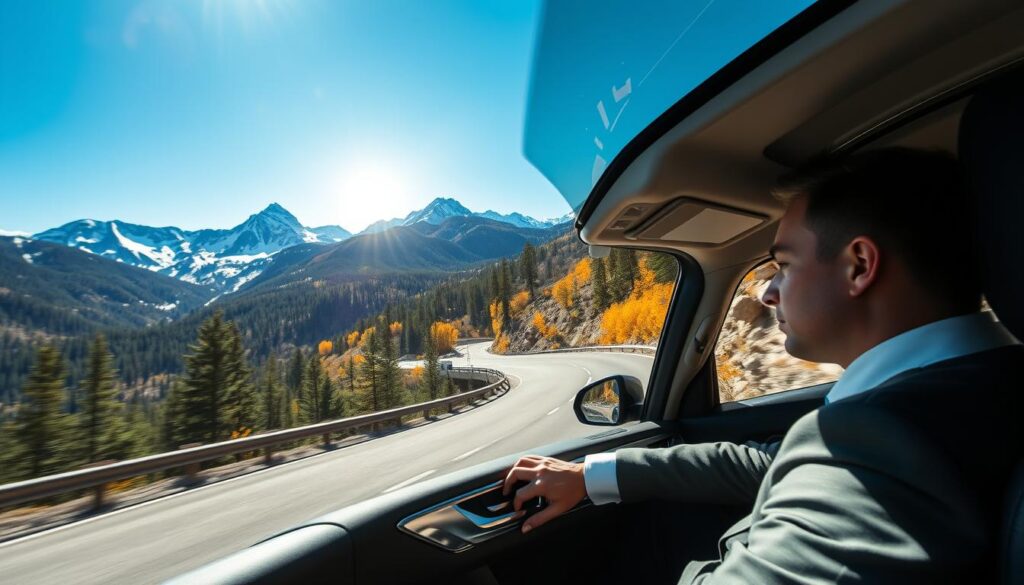
Imagine yourself winding through the majestic peaks of the Colorado Rockies. This rugged landscape offers a stunning backdrop for a high-end adventure. Every mile reveals a new vista that captures the heart and soul of the American West.
However, thin mountain air presents specific challenges for every luxury traveler. Success starts with thorough High-Altitude Driving Preparation to handle the changing terrain and engine needs. You want your vehicle to perform perfectly as you ascend into the clouds.
Focusing on altitude driving safety helps you navigate steep grades with complete confidence. You can truly embrace the thrill of the climb while staying protected. Enjoy the journey knowing you are ready for anything the high peaks provide.
Key Takeaways
- Drink plenty of water to combat the effects of thin air.
- Verify your tire pressure as elevation changes affect air expansion.
- Monitor local weather reports for sudden mountain storms.
- Allow your body time to acclimate before engaging in heavy activity.
- Use low gears to maintain control while descending steep mountain passes.
- Keep a survival kit with blankets and snacks in your luxury vehicle.
The High-Altitude Challenge: Why It Matters
Colorado’s high-altitude landscapes are a marvel, yet they pose significant challenges for travelers, making it essential to grasp the implications of altitude sickness. Driving through these regions can be a thrilling experience, but the risks associated with high-altitude travel should not be underestimated.
As you ascend to higher elevations, the air pressure decreases, and oxygen levels drop. This change can affect both drivers and passengers, potentially leading to altitude sickness. Understanding this condition is crucial for a safe and enjoyable journey.
Understanding Altitude Sickness
Altitude sickness, also known as acute mountain sickness (AMS), occurs when the body cannot adapt quickly enough to the lower oxygen levels at high elevations. It’s a condition that can affect anyone, regardless of their physical condition or previous experience with high altitudes.
Recognizing the symptoms of altitude sickness is key to managing and preventing its more severe effects. Common symptoms include:
- Headaches
- Nausea and vomiting
- Fatigue
- Dizziness or lightheadedness
Preventing altitude sickness involves a combination of gradual acclimatization, hydration, and being aware of your body’s response to higher elevations. Acclimatization is the process of allowing your body to adjust to the higher elevation gradually. This can be achieved by:
- Ascending gradually, allowing your body to adapt.
- Staying hydrated by drinking plenty of water.
- Avoiding strenuous activities during the initial days at high altitude.
By understanding and addressing the challenges of high-altitude travel, you can ensure a safer and more enjoyable luxury road trip through Colorado’s breathtaking landscapes.
Impacts on Vehicles: Power, Brakes, Tires
The thinner air at high altitudes can have a profound effect on your vehicle’s power, brakes, and tires, necessitating special consideration. As you ascend to higher elevations, the air density decreases, which can lead to a decrease in engine performance, braking efficiency, and tire pressure.
Vehicle Performance at High Altitudes
At high altitudes, the reduced oxygen levels in the air can cause a decrease in engine power. This is because most engines rely on a precise mixture of air and fuel to operate efficiently. With less oxygen available, the engine has to work harder, potentially leading to decreased performance and increased fuel consumption.
Braking performance is also affected at high altitudes. The lower air density can result in longer stopping distances because the brakes have to work harder to dissipate the heat generated during braking. Furthermore, the reduced air pressure can affect the performance of brake pads and rotors.
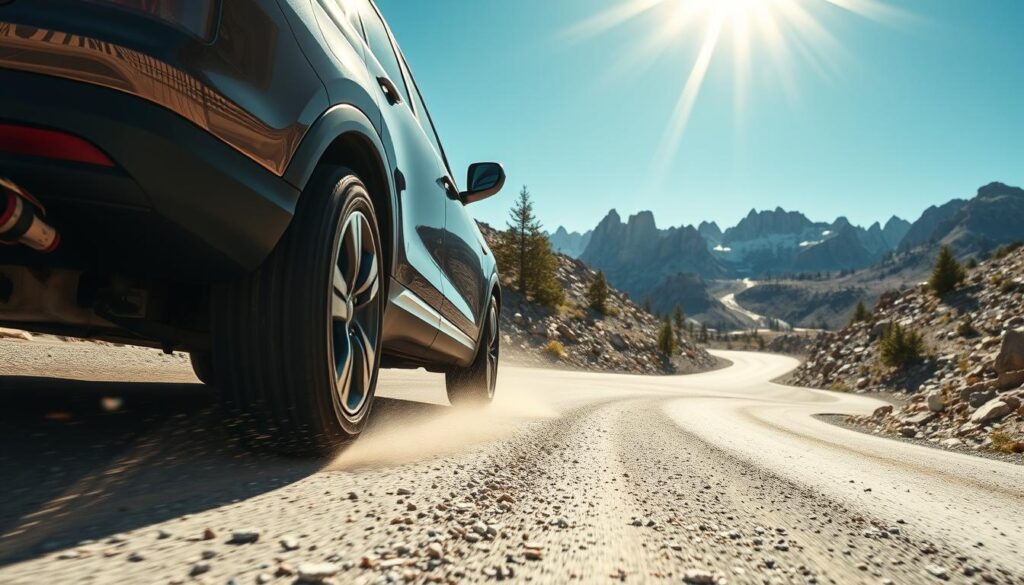
To ensure your vehicle is prepared for high-altitude driving, several maintenance checks are recommended:
- Check your vehicle’s owner’s manual for any specific recommendations for high-altitude driving.
- Ensure your engine is properly tuned to compensate for the lower air density.
- Inspect your brakes regularly, looking for signs of wear on brake pads and rotors.
- Check tire pressure regularly, as the lower air pressure at high altitudes can affect tire performance and safety.
By understanding how high altitude affects your vehicle and taking the necessary precautions, you can help ensure a safe and enjoyable luxury road trip through Colorado’s beautiful landscapes.
Driver’s Guide to Acclimatization and Hydration
To make the most of your Colorado luxury road trip, it’s crucial to understand how acclimatization can impact your health and driving experience. Acclimatization is not just about the vehicle; it’s equally important for drivers and passengers. Proper preparation ensures that everyone on board remains healthy and alert throughout the journey.
Traveling to high altitudes can cause altitude sickness, a condition that affects people differently. It’s essential to take proactive steps to acclimatize to the higher elevations to avoid its adverse effects.
Acclimatization Techniques
Effective acclimatization involves gradual exposure to higher altitudes, allowing your body to adjust to the decrease in oxygen levels. Here are some techniques to help you acclimatize:
- Gradual Ascent: When traveling to high altitudes, try to ascend gradually, giving your body time to adjust.
- Rest Days: Incorporate rest days into your itinerary to allow your body to recover.
- Monitor Your Health: Be aware of the symptoms of altitude sickness and take necessary actions if you experience any.
Staying hydrated is crucial when traveling at high altitudes. The dry air can quickly dehydrate you, exacerbating the effects of altitude sickness.
Drink plenty of water throughout your journey, aiming for at least 8-10 glasses a day. Avoid caffeinated and alcoholic beverages that can dehydrate you further.
Hydration Tips:
- Drink water regularly, even if you don’t feel thirsty.
- Avoid strenuous activities during the initial days of your trip.
- Monitor your urine output; if it’s dark yellow, you may need to drink more water.
Seasonal Preparation: Summer, Fall, Winter, Spring
The Rocky Mountains pose a different kind of challenge with each changing season, making seasonal preparation key to a successful road trip. Colorado’s climate varies significantly across the year, impacting road conditions, vehicle performance, and driver safety.
Summer and Fall Preparations
During the summer months, the primary concerns include heat-related issues and increased traffic due to tourist season. Ensure your vehicle is equipped with proper cooling systems and consider the following summer driving tips:
- Check your vehicle’s coolant levels regularly.
- Beware of potential thunderstorms and plan your route accordingly.
- Keep your vehicle’s interior cool to avoid heat-related fatigue.
For more detailed advice on preparing your vehicle for varying conditions, you can refer to resources like preparing your car for winter driving, which also offers insights applicable to other seasons.
Winter Preparations
Winter brings its own set of challenges, including snow, ice, and freezing temperatures. Winter prep is crucial and involves:
- Equipping your vehicle with snow tires or chains.
- Keeping an emergency kit in your car, including items like a blanket, flashlight, and first-aid kit.
- Planning your route to avoid high-altitude roads if possible, or being prepared for the potential impacts on your vehicle’s performance.
Spring is a time of transition, with melting snow and potential rain showers making roads slippery. Key preparations include:
- Checking your vehicle’s tire pressure and tread depth.
- Ensuring your vehicle’s brakes are in good condition.
- Being cautious of potential road debris and construction.
Real-Time Weather and Road Monitoring Apps
For those driving through Colorado’s majestic mountains, having access to real-time weather and road monitoring information can be a game-changer. Staying informed about the latest conditions helps in planning the route and ensuring a safe and enjoyable journey.
The unpredictable nature of mountain weather Colorado makes it essential to have the right tools at your disposal. Real-time updates can alert you to potential hazards such as snowstorms, road closures, or icy conditions, allowing you to adjust your plans accordingly.
Recommended Apps for Weather Updates
Several apps provide accurate and timely weather updates that are indispensable for navigating Colorado’s high-altitude roads. Some of the most reliable options include:
- Dark Sky: Known for its hyperlocal forecasts, Dark Sky provides minute-by-minute predictions for your exact location.
- The Weather Channel App: Offers detailed forecasts, radar imagery, and severe weather alerts.
- Weather Underground: Provides hyperlocal weather forecasts, alerts, and maps.
Using Road Monitoring Apps for Safe Navigation
In addition to weather updates, road monitoring apps can provide critical information about road conditions, closures, and construction. Some recommended apps include:
- Waze: Offers real-time traffic updates and road condition reports from a community of users.
- Google Maps: Provides real-time traffic information and suggests alternative routes to avoid congestion.
- CODOT Road Conditions: An official app from the Colorado Department of Transportation that provides up-to-date information on road conditions, closures, and construction.
By utilizing these apps, travelers can significantly enhance their safety and flexibility when driving through Colorado’s challenging mountain terrain.
Emergency Supplies Checklist
When embarking on a luxury road trip through Colorado’s high-altitude landscapes, being prepared for emergencies is not just a precaution, it’s a necessity. The unpredictable nature of high-altitude weather and driving conditions demands a thoughtful and comprehensive approach to safety.
As highlighted by the experts, “Preparation is key to navigating the challenges of high-altitude driving.” This principle guides the creation of an emergency supplies checklist, ensuring that you are well-equipped to handle any situation that may arise during your journey.
Essential Items for Your Vehicle
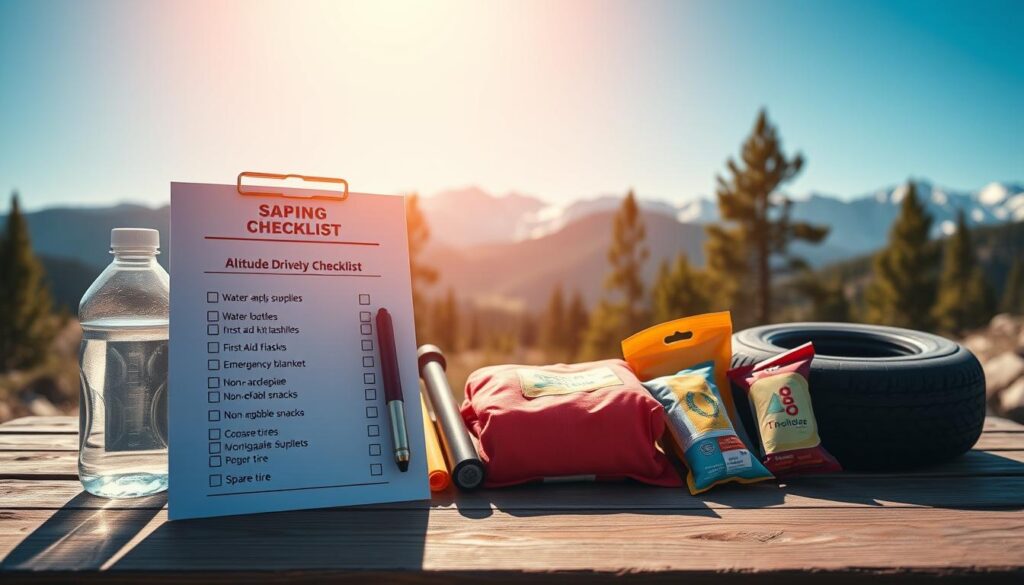
Your vehicle’s emergency kit should include a variety of essential items to address potential issues related to high-altitude driving. These include:
- Jumper Cables: To jump-start your vehicle in case of a dead battery, a common issue in cold high-altitude environments.
- Flashlight and Extra Batteries: A reliable light source is crucial for navigating and making repairs in the dark.
- First-Aid Kit: A basic first-aid kit should include supplies for treating minor injuries, such as bandages, antiseptic wipes, and pain relievers.
- Tire Repair Kit: Includes a spare tire, tire irons, and a car jack to address tire issues that may arise due to the high altitude.
- Snacks and Water: Non-perishable snacks and a supply of water to keep you hydrated and energized.
Personal Safety Items
In addition to vehicle-specific supplies, it’s crucial to include personal safety items in your emergency kit. These may encompass:
- Emergency Blanket: To stay warm in case you become stranded.
- Medications and Personal Care Items: Any personal medications, along with basic personal care items like hand sanitizer and toilet paper.
- Multi-Tool or Pocket Knife: Useful for a variety of tasks and emergencies.
- Cell Phone Charger and Backup Power Source: To keep your phone charged and stay connected.
As altitude driving safety experts emphasize, being prepared is not just about having the right equipment; it’s also about knowing how to use it effectively. Take the time to familiarize yourself with the items in your emergency kit and understand their applications.
“The best preparation is having a plan and the right equipment to execute it. High-altitude driving requires a proactive approach to safety.”
By meticulously preparing your emergency supplies checklist and understanding the essentials for your vehicle and personal safety, you can significantly enhance your safety and the overall enjoyment of your luxury road trip through Colorado’s breathtaking landscapes.
Concierge Services: Backup/Route Change Support
When embarking on a luxury road trip through Colorado’s majestic landscapes, the availability of concierge services can significantly enhance the travel experience. These services are designed to provide personalized support, ensuring that any unexpected changes or challenges are managed efficiently.
Reliable Support for Unforeseen Circumstances
Concierge services offer a safety net for luxury travelers, providing backup plans and route change support. This is particularly valuable in Colorado, where weather conditions can change rapidly, especially at high altitudes.
Benefits of Concierge Services
The benefits of utilizing concierge services for your luxury road trip are multifaceted. Not only do they offer real-time support, but they also provide expert knowledge of the local terrain and conditions.
- Personalized itinerary adjustments based on real-time weather and road conditions.
- Access to exclusive local knowledge, ensuring the most scenic and safe routes.
- Emergency support for any unforeseen circumstances that may arise during your trip.
“With concierge services, you can travel with peace of mind, knowing that expert assistance is just a call away.”
How to Access Concierge Support
Accessing concierge support is straightforward. Most luxury travel agencies and high-end rental services offer concierge assistance as part of their packages. It’s advisable to inquire about these services when booking your trip.
“The key to a stress-free luxury road trip lies in the details, and concierge services are the epitome of personalized travel planning.”
To further enhance your travel experience, consider the following tips when accessing concierge services:
| Service | Description | Benefit |
|---|---|---|
| Real-time Weather Updates | Concierge services provide up-to-date weather forecasts. | Helps in planning the route and avoiding adverse weather conditions. |
| Route Optimization | Expert advice on the best routes based on current conditions. | Ensures a smoother and more enjoyable journey. |
| Emergency Assistance | Immediate support in case of emergencies. | Provides peace of mind and quick resolution to any issues. |
How to Adjust Itineraries for Weather
Colorado’s unpredictable weather can significantly impact your luxury road trip. Staying informed about weather conditions is crucial for a safe and enjoyable journey.
Weather Forecast Monitoring
Utilizing real-time weather updates allows you to anticipate and prepare for potential weather-related issues. Services like those provided by the National Weather Service offer detailed forecasts that can guide your travel decisions.
Flexibility in Your Travel Plans
Being flexible with your itinerary is key. Understanding winter prep and incorporating summer driving tips into your planning can make a significant difference. For instance, checking the weather forecast before heading out can help you avoid severe weather conditions. If bad weather is predicted, consider adjusting your route or delaying your trip to ensure safety.
By staying informed and being prepared to adjust your plans, you can navigate Colorado’s varied weather conditions with confidence, ensuring your luxury road trip remains a memorable experience.